
Texas Retail & Convenience Store Electricity Broker – Cut Power Costs 15–30%
We Partner with Leading Texas Electric Providers to Secure You the Best Energy Rates








Challenges Retail & Convenience Stores Face with Electricity Costs in Texas
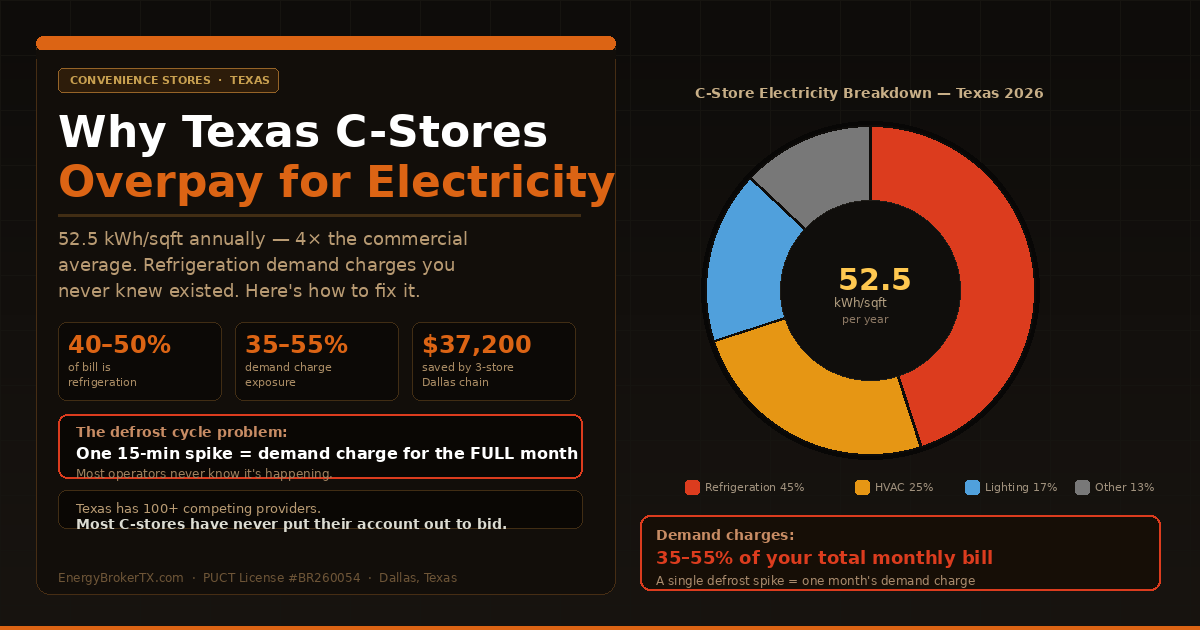
Refrigerators, freezers, bright interior lighting, exterior signage, and air conditioning often run at full capacity at the same time, creating sharp peak demand spikes. These demand charges can easily account for 35–55% of your monthly bill and are one of the fastest ways to erode already thin retail margins.
Unlike offices that shut down at 5 PM, many convenience stores and retail locations operate 18–24 hours a day. This leaves almost no opportunity to shift usage to off-peak times, meaning you pay premium rates around the clock.
Keeping food, drinks, and frozen items at the right temperature requires large, energy-intensive equipment that runs non-stop. In Texas heat, the HVAC system works overtime to keep the store comfortable for customers, driving up both energy usage and peak demand.
Texas summers bring extreme heat, higher air-conditioning loads, and increased customer traffic — all of which push electricity prices higher exactly when your business needs reliability the most. Many stores get surprised by sudden bill increases they didn’t anticipate.
Get Better Rates in Under 24 Hours
Send us a single electric bill or just your ZIP + average kWh. Takes 60 seconds.
25+ suppliers bid live in our transparent reverse auction. You see every offer.
Pick the best rate. We handle all paperwork. Zero cost to you.
Why Texas Retail Stores Choose Us in 2026
Real Texas Retail & Convenience Stores are locking in rates 15-30% below retail, redirecting thousands to ministry and outreach.
vs. national average of 14.1¢/kWh (35% lower thanks to ERCOT competition) — even better for retail stores
Most retail & convenience stores receive competing offers and switch within one business day, minimizing disruption.
Real Texas Retail Stores Saving Real Money
In-Depth Case Studies
A three-location convenience store group in Dallas was spending over $11,200 per month on electricity due to constant refrigeration, lighting, and ice machines. After running a reverse auction and optimizing their demand charges, a better rate was secured and structured that reduced their monthly bill to $8,100 — a 28% savings ($3,100 per month or $37,200 annually). The owner now has predictable costs even during peak summer months.
A specialty retail store in Frisco was struggling with high demand charges from bright lighting and HVAC systems. A tailored commercial plan was built that better matched their extended retail hours. Their electricity costs dropped from $2,650 to $2,000 per month — a 28% reduction ($650 per month or $7,800 annually). The savings allowed them to invest in store upgrades without increasing prices.
Frequently Asked Questions
None whatsoever. Switching providers is completely seamless—no power interruption, no disruption to tenants or customers. The process takes 1–2 weeks from your first bill submission to a new contract. We handle all coordination with your current provider and the utility. Competing quotes arrive within 48 hours. No fees—providers pay our commission.
Yes. Several ERCOT providers offer demand response incentives for large commercial facilities—essentially paying you to temporarily reduce load during grid stress events. For large retail centers with flexible HVAC and lighting controls, this can generate additional revenue while reducing peak demand charges. We identify which programs your property qualifies for and build these opportunities into your overall energy strategy.
Retail centers typically save $15,000–$80,000 per year through our reverse auction. A 150,000 sq ft strip center paying $30,000/month in common area electricity could realistically reduce costs by $4,500–$9,000/month with competitive bidding. We provide a free savings estimate based on your actual bills before you commit to anything.
We can structure procurement separately or together depending on your lease agreements and metering setup. NNN tenants typically control their own accounts, but landlord-controlled common area electricity (HVAC, lighting, parking) is where we deliver direct savings—typically 15–25%. We also advise on how to pass energy savings through to tenants in ways that improve retention and reduce vacancy.
Yes. We specialize in aggregating electricity procurement across multiple retail locations and shopping centers. By combining your total portfolio load, we negotiate volume pricing that individual stores can’t achieve alone. Whether you have 3 locations or 300, our reverse auction brings 25+ providers to compete on your full portfolio. Most multi-location retail clients save 15–30% versus negotiating each site individually.
Insights for Texas Retail & Convenience Stores
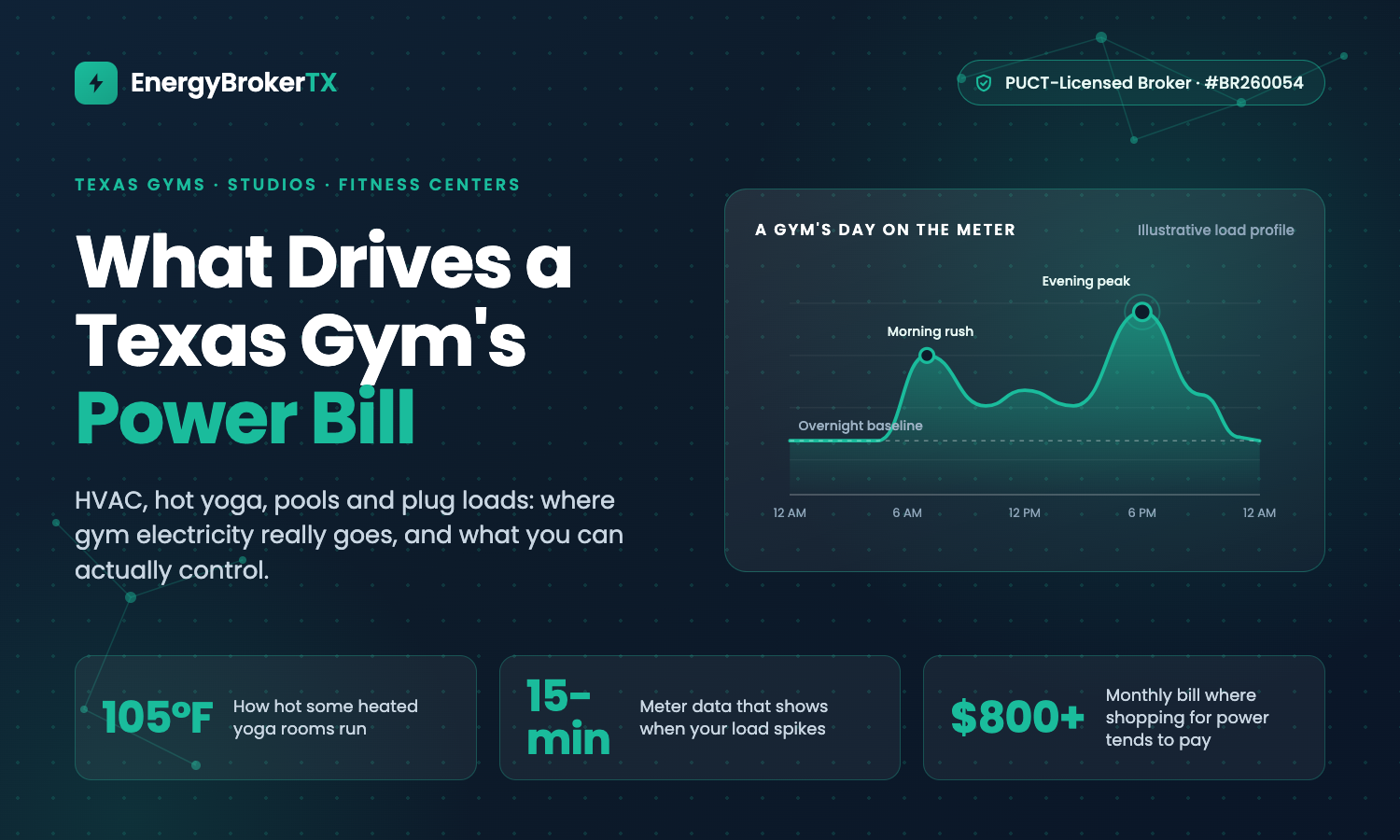 Retail & Convenience Stores
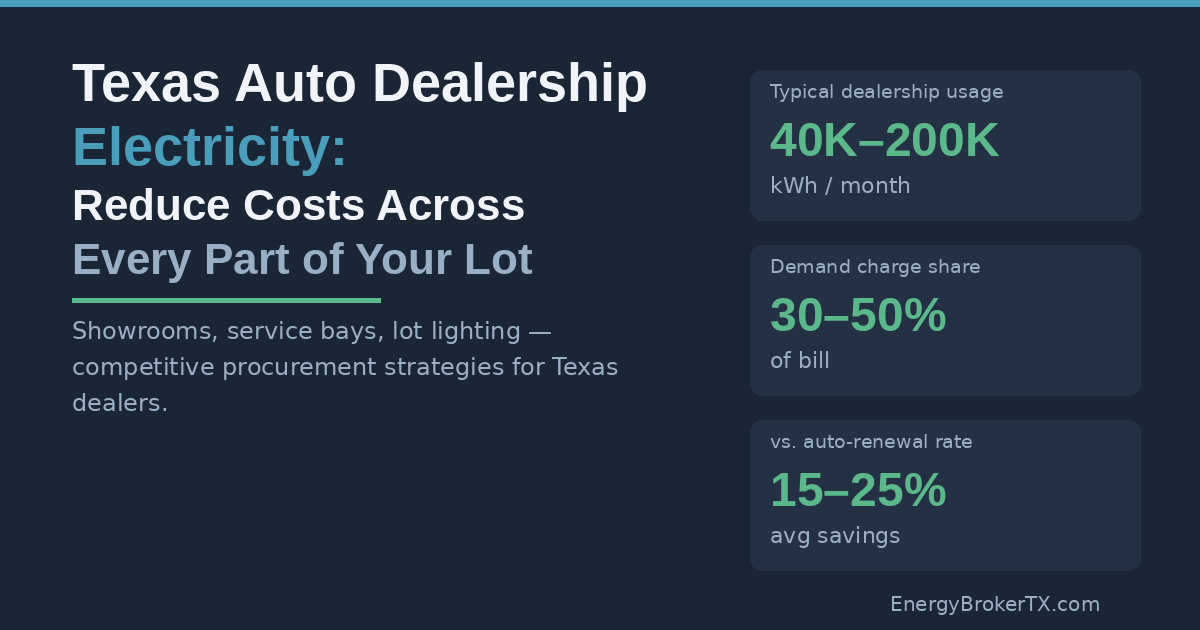 Retail & Convenience Stores
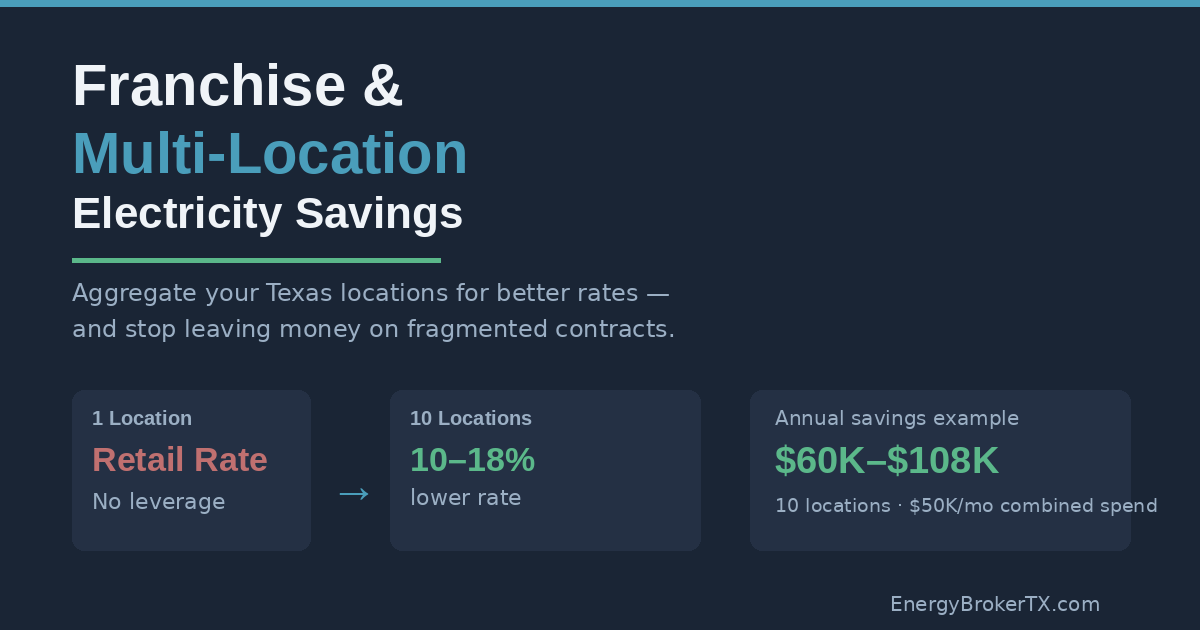 Retail & Convenience Stores
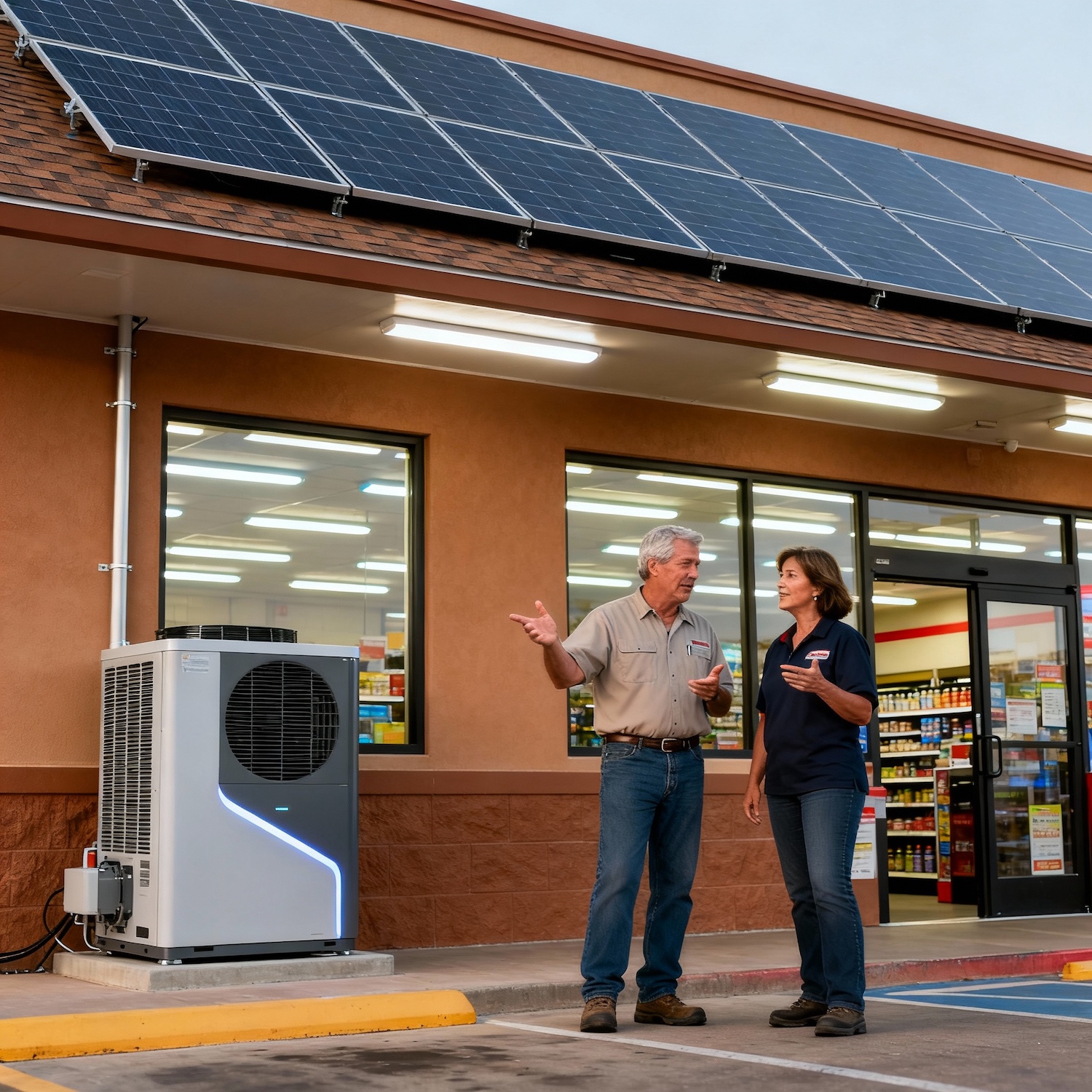 Retail & Convenience Stores
 Retail & Convenience Stores
Ready to Increase Your Operating Margin?