How to Read Your Texas Commercial Electricity Bill: A Guide to Savings in the Deregulated Market
Running a business in Texas means navigating one of the most dynamic energy markets in the country. With deregulation giving you the power to choose your provider, your electricity bill isn't just a monthly expense—it's a roadmap to potential savings or costly oversights. Many commercial owners overlook hidden fees or misunderstand key components, leading to inflated costs that eat into profits. According to a McKinsey report on utility cost management, businesses in deregulated markets like Texas can overpay by up to 20% simply due to poor bill interpretation and lack of proactive strategies.
In this guide, we'll break down every section of a typical Texas commercial electricity bill, explain what it means for your bottom line, and share actionable tips to spot errors, reduce charges, and optimize your energy use. Whether you manage a retail store, office building, or manufacturing facility, understanding your bill empowers you to make smarter decisions. We'll draw on insights from the Public Utility Commission of Texas (PUC) and other experts to keep things straightforward and practical. By the end, you'll have the tools to potentially shave thousands off your annual spend.
Understanding the Structure of Your Texas Commercial Electricity Bill
Texas commercial bills from providers like TXU or Reliant typically follow a standard format, but they can vary slightly. The PUC requires clear breakdowns to promote transparency in the deregulated market, where competition among over 100 retail electricity providers (REPs) keeps rates competitive—but only if you know what to look for.
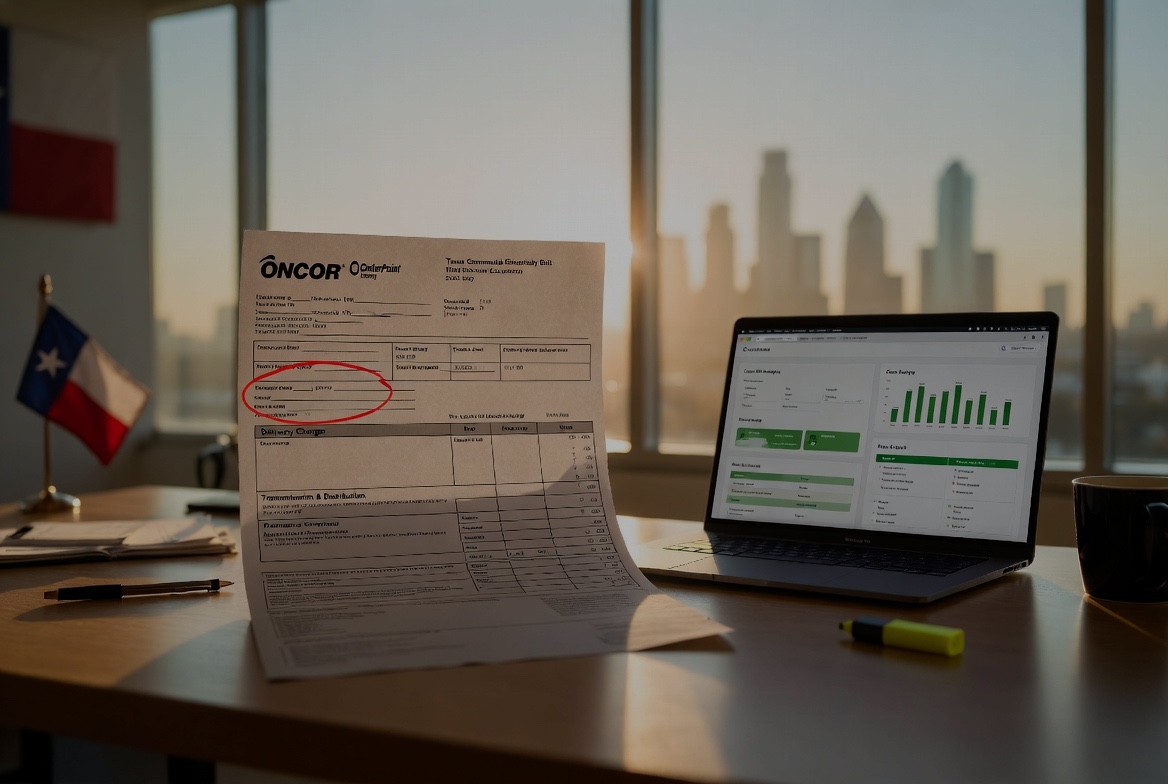
Start with the summary page: This gives an overview of your total due, previous balance, and payment history. Look for the billing period (usually 30 days) and meter number to ensure it's for the correct location, especially if you have multiple sites. Errors here, like incorrect meter reads, affect everything else.
Next, dive into the charges section. Bills separate costs into two main categories: delivery (regulated by utilities like Oncor or CenterPoint) and energy (competitive from your REP). Delivery charges cover grid maintenance and are fixed, while energy charges are where you can negotiate savings.
Breaking Down Key Bill Components: What Each Line Means
Let's dissect a sample bill line by line, using real-world examples from PUC resources to illustrate.
1. Energy Charges: The Core of Your Bill
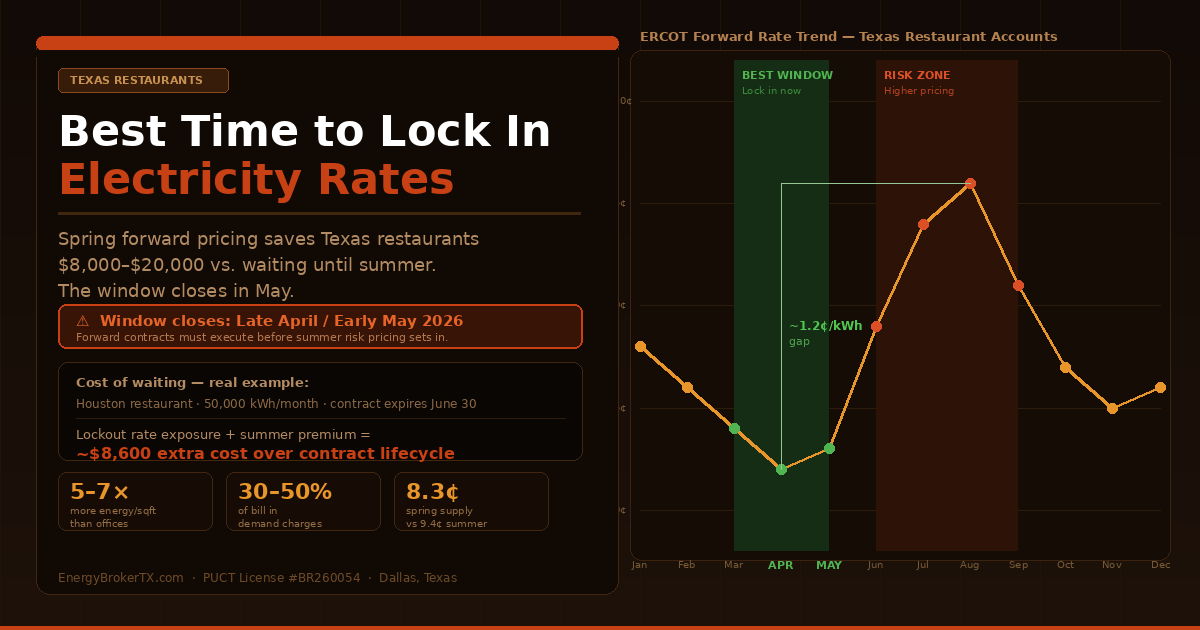
This is the cost for the actual electricity used, measured in kilowatt-hours (kWh). In Texas, rates average 8-12 cents per kWh for commercial users, but they fluctuate based on your plan type—fixed, variable, or indexed. A Deloitte study on energy procurement notes that variable plans can spike 50% during summer peaks, so check if yours ties to wholesale indices like ERCOT's real-time pricing.
Tip: Calculate your effective rate by dividing total energy charges by kWh used. If it's higher than expected, compare against market averages. For multisite operations, aggregating usage across locations can unlock bulk discounts—something worth exploring if you're expanding.
2. Demand Charges: The Hidden Profit Killer
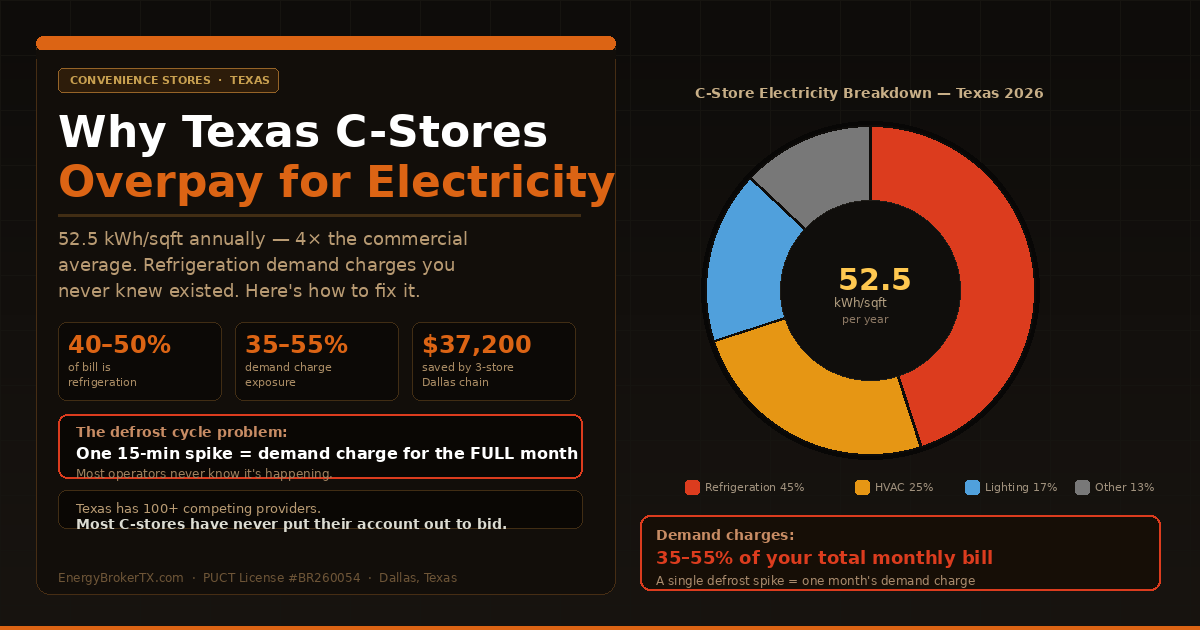
Often the biggest surprise for businesses, demand charges are based on your highest 15-minute usage peak during the month, measured in kilowatts (kW). For high-load operations like HVAC-heavy warehouses, this can add 30-50% to your bill. The PUC explains that these fees fund grid capacity, but they're avoidable with smart timing—shift non-essential loads to off-peak hours (e.g., evenings after 8 PM).
Practical fix: Install smart meters or sub-meters to monitor peaks. A McKinsey analysis shows that demand management tools can reduce these charges by 15-25%, freeing up cash for other priorities. If your bill shows unexplained spikes, request a meter test from your utility—it's free and can reveal errors.
3. Delivery and Transmission Fees: The Non-Negotiable Part
These cover transporting power from the grid to your door, regulated by the PUC and passed through by your REP. Expect $4-6 per kW in demand fees plus a base charge. While fixed, they're influenced by your total usage—higher efficiency means lower overall costs.
To optimize: Audit for overcharges using PUC's bill factsheet. Businesses often miss credits for energy-efficient upgrades, like rebates for LED lighting retrofits that lower both demand and delivery impacts.
4. Taxes, Surcharges, and Miscellaneous Fees
Texas adds a 6.25% state sales tax on commercial electricity, plus local taxes up to 2%. Watch for PUC-mandated surcharges like the System Benefit Fund (supporting low-income programs) or storm recovery fees post-events like Hurricane Beryl. These can add 5-10% but are sometimes reimbursable for tax-exempt entities.
Spot red flags: If fees seem disproportionate, cross-reference with your contract. Deloitte highlights that 20% of commercial bills contain errors here—simple disputes can yield refunds.
5. Usage Details and Meter Readings
This section shows your kWh consumption, often with graphs comparing to previous months. Use it to track patterns: A sudden jump might indicate equipment issues or theft.
Pro tip: Compare against weather data from ERCOT—hot summers can increase AC use by 40%. Implementing monitoring software can flag anomalies early.
Common Bill Errors and How to Spot Them
Even in a regulated system, mistakes happen. The PUC reports thousands of complaints annually about billing inaccuracies. Here's how to catch them:
- Incorrect Meter Reads: If usage seems off, request a reread—utilities must comply within 10 days.
- Double Billing: For switched providers, ensure no overlap; brokers can coordinate seamless transitions.
- Unapplied Credits: Rebates from efficiency programs (e.g., Oncor's Take a Load Off Texas) might not show—follow up.
- Rate Mismatches: Verify your plan rate against the Electricity Facts Label (EFL) from your REP.
A CenterPoint Energy guide stresses auditing bills quarterly. If errors persist, file a PUC complaint—resolution is free and fast.
Strategies to Lower Your Costs Based on Bill Insights
Armed with bill knowledge, take action. Deloitte's energy management study shows informed businesses save 10-20% annually.
- Switch Plans Proactively: If demand charges dominate, opt for time-of-use plans. Our exploration of market trends can help time switches for optimal rates.
- Efficiency Upgrades: Target high-use areas—e.g., variable-frequency drives for motors reduce demand by 20%.
- Demand Response Programs: ERCOT pays for curtailing during peaks; enroll via your REP for credits.
- Renewable Add-Ons: Solar credits or green plans offset costs; McKinsey notes 30% savings for integrated setups.
- Bill Audits: Professional reviews uncover 5-15% savings; start with a free analysis to benchmark.
For water-intensive ops like laundromats, these tips pair well with specialized strategies.
Advanced Tips for Multi-Site Businesses
If you operate across Texas, aggregate bills for volume discounts. PUC rules allow this, and tools like sub-metering provide granular data. Deloitte advises using AI-driven analytics for predictions—reducing forecasting errors by 25%.
Partnering for Long-Term Savings
While self-auditing is powerful, partnering with experts amplifies results. At Energy Broker TX, our PUC-licensed team (BR260054) has helped over 400 Texas businesses demystify bills and secure better deals through no-cost reverse auctions. We spot issues you might miss and negotiate on your behalf, all without direct fees—providers compensate us. Ready to unlock hidden savings? Reach out for a free bill review and quote.