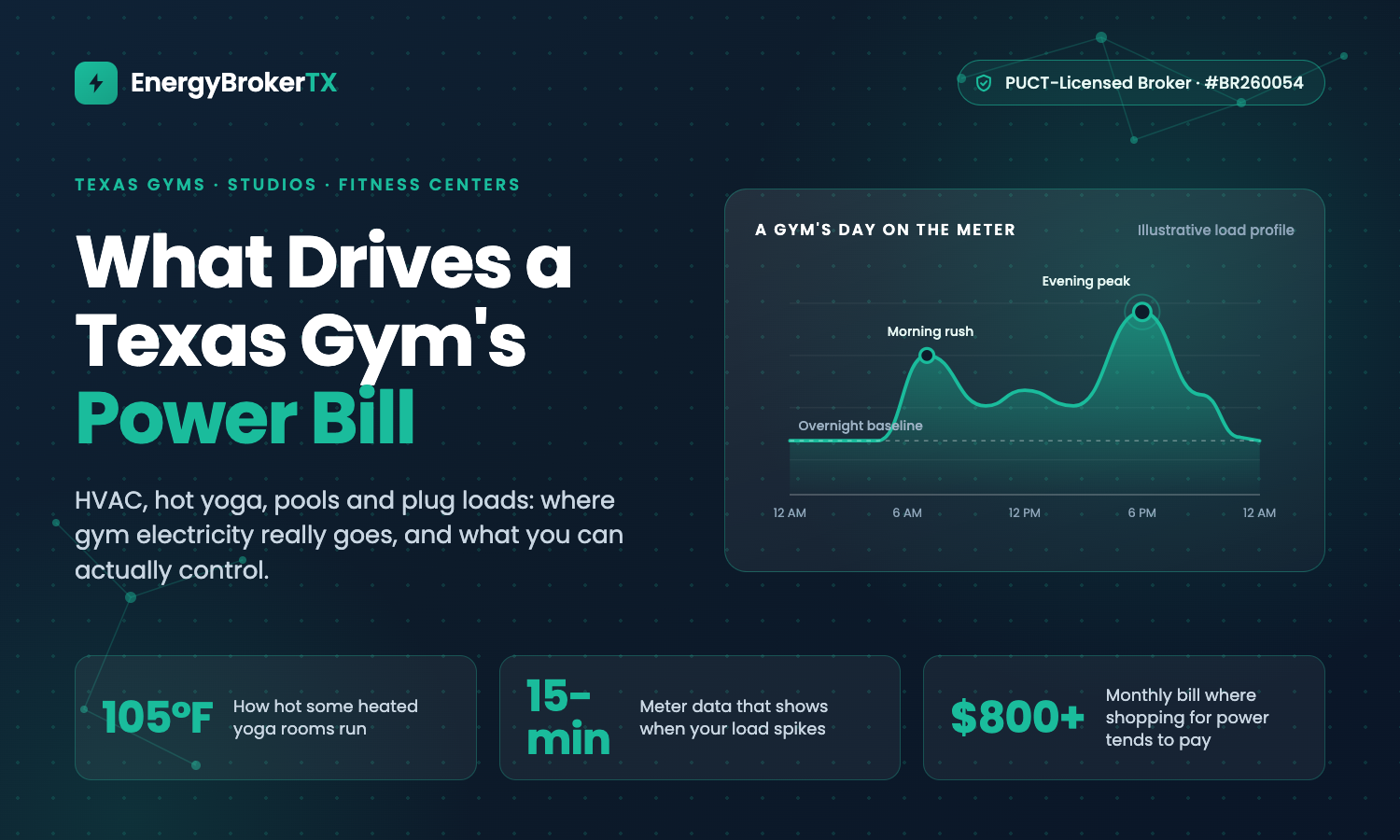
Texas Gyms, Yoga Studios and Fitness Centers: What Drives the Power Bill
What drives the power bill at Texas gyms, yoga studios and fitness centers, from HVAC and hot yoga to pools, and when shopping your rate pays off.

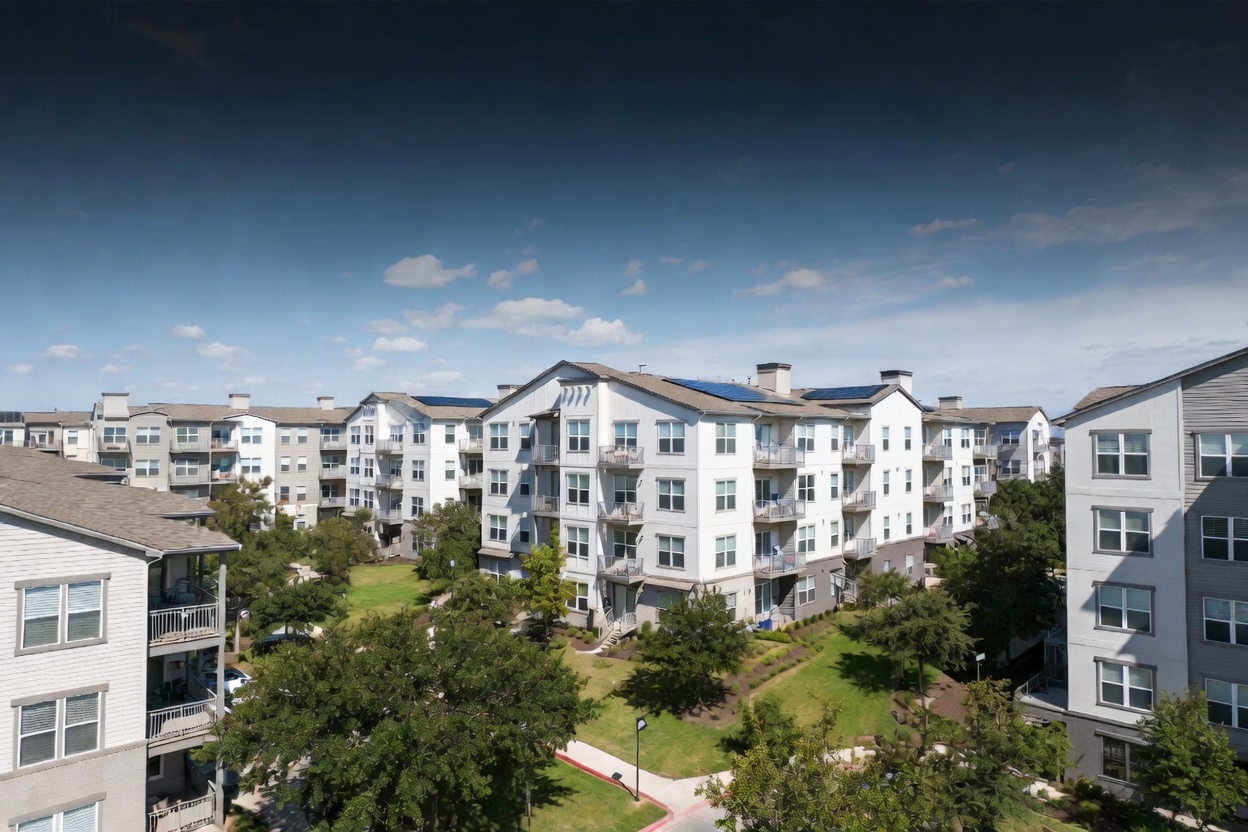
Multifamily property managers in Texas face one of the toughest electricity cost challenges in the country. With rising utility bills, tighter margins, and residents expecting modern amenities, keeping common-area and master-metered expenses under control has become a full-time job.
In 2026, many owners and managers are discovering they can realistically cut electricity costs by 20–35% without raising rents or cutting services. The key is moving beyond the old “pay whatever the utility bills us” mindset and treating energy like the major line-item expense it is.
At EnergyBrokerTX, we’ve worked with dozens of multifamily owners across Dallas, Houston, Plano, Corpus Christi, Frisco, and other deregulated markets. This guide shares the exact strategies that are delivering the biggest savings right now for apartment communities, townhome complexes, and mixed-use properties.
Texas apartments and multifamily properties have a unique load profile. Common-area lighting, clubhouse HVAC, elevators, pool pumps, laundry rooms, and corridor lighting run around the clock. When the property is master-metered, the owner absorbs every kilowatt-hour. Even in sub-metered buildings, common-area costs still hit the bottom line hard.
In 2026, the average master-metered multifamily community in the Oncor or CenterPoint territory is spending between $0.11 and $0.15 per kWh (energy + delivery). For a 250-unit property, that can easily exceed $180,000–$280,000 per year in electricity alone.
The good news? Because multifamily usage is so predictable and high-volume, these properties are some of the best candidates for meaningful savings through competitive procurement and strategic load management.
One of the first decisions many owners revisit is metering strategy.
Master-metered buildings
The owner pays one large bill and typically passes a portion back to residents through RUBS (Ratio Utility Billing System) or a flat fee. While simple to administer, this model often results in higher overall costs because there is no tenant-level incentive to conserve.
Sub-metered or individually-metered buildings
Each unit has its own meter and the resident pays their own bill. Owners only pay for common areas. This model usually lowers the owner’s exposure but requires more upfront investment and ongoing maintenance.
In 2026, the smartest operators are moving toward hybrid models — keeping common areas on a single optimized commercial account while sub-metering individual units. This approach gives owners the best of both worlds: lower common-area rates through a broker and reduced risk on tenant usage.
We can help you evaluate whether switching metering strategies makes financial sense for your specific property.
A typical 200–300 unit Texas multifamily community sees electricity costs split like this:
Demand charges often make up 35–50% of the total bill because everything runs at once during peak evening hours. This is exactly why a well-structured commercial contract can deliver outsized savings compared with a residential-style plan.
1. Run a Dedicated Multifamily Reverse Auction: Instead of accepting the default rate from the incumbent provider, present your actual 12–24 month load data to 25+ commercial-focused REPs. Because multifamily properties have such consistent usage, providers compete aggressively for the business. Many of our clients are seeing 20–28% savings on the energy charge alone.
2. Optimize Demand Charges with Load-Shifting Tactics: Simple changes like staggering pool pump run times, installing variable-speed drives on HVAC units, and using smart controls in clubhouses can drop peak demand by 15–25%. We help model these changes before you sign a new contract so you choose the rate structure that rewards your new load profile.
3. Consider Sub-Metering or RUBS Upgrades: Properties that move from master-metered to sub-metered often see a 12–18% reduction in total electricity expense within the first year because residents become more conscious of usage.
4. Take Advantage of Available Rebates and Incentives: Oncor, CenterPoint, and other TDSPs still offer substantial rebates for LED retrofits, high-efficiency HVAC, and smart irrigation systems. We track every available program and include them in your savings analysis.
5. Lock in Long-Term Rates That Match Your Lease Cycles: Many multifamily owners align their electricity contracts with lease renewal seasons. A 24- or 36-month fixed or hybrid plan signed in early 2026 can protect you from expected summer price spikes.
Case Study 1 – 280-Unit Community in Frisco
A master-metered property near The Star was paying $214,000 annually. After a reverse auction and targeted demand-charge management, they switched to a hybrid contract and reduced their yearly spend to $148,000 — a 31% reduction ($66,000 saved per year). The savings funded a full LED retrofit of the common areas.
Case Study 2 – 180-Unit Garden-Style Property in Houston
This CenterPoint territory community was struggling with high summer bills. We helped them implement a time-of-use plan combined with smart controls on the clubhouse and pool equipment. Their annual electricity cost dropped 24% ($41,000 savings) while resident satisfaction scores actually improved.
As a PUC-licensed Texas energy broker (License # BR260054), we don’t sell one-size-fits-all residential plans. We focus exclusively on commercial and multifamily accounts. Our process is simple:
Whether your property is master-metered, sub-metered, or somewhere in between, we tailor the strategy to your exact situation.
You can explore more on our dedicated pages:
How much can a typical multifamily property save in 2026? Most of our clients see 20–35% reductions. Savings are usually highest for master-metered properties with high common-area usage.
Is sub-metering worth the upfront cost? For most properties over 100 units, yes. The payback period is often 18–36 months, after which the owner enjoys permanently lower exposure.
What if my property is already sub-metered? You can still save significantly on common-area costs. We optimize the single commercial account that serves the entire property’s shared spaces.
How long does it take to switch providers? Most multifamily switches are completed in 10–20 business days with zero interruption to residents.
Do you work with properties outside the major metros? Yes. We serve all deregulated markets in Texas, including smaller cities and suburban areas.
Texas multifamily owners no longer have to accept high electricity bills as the cost of doing business. With the right combination of competitive procurement, strategic load management, and available incentives, many properties are cutting costs 20–35% while improving cash flow and resident experience.
At EnergyBrokerTX, our PUC-licensed team (License # BR260054) specializes in helping multifamily owners and property managers across Texas turn electricity from a major expense into a manageable, predictable cost.
Visit our contact page today to request a free, no-obligation analysis of your property’s electricity spend. It takes less than 60 seconds, and you’ll receive personalized savings projections within 24 hours.
Submit your account and we'll run a competitive auction with 25+ licensed Texas providers — full bid transparency, no pre-filtering, no obligation.
Get My Free Competing Bids →