
Texas Grocery Store & Supermarket Electricity Broker – Cut Power Costs 15–30%
We Partner with Leading Texas Electric Providers to Secure You the Best Energy Rates








Challenges Grocery Stores & Supermarkets Face with Electricity Costs in Texas
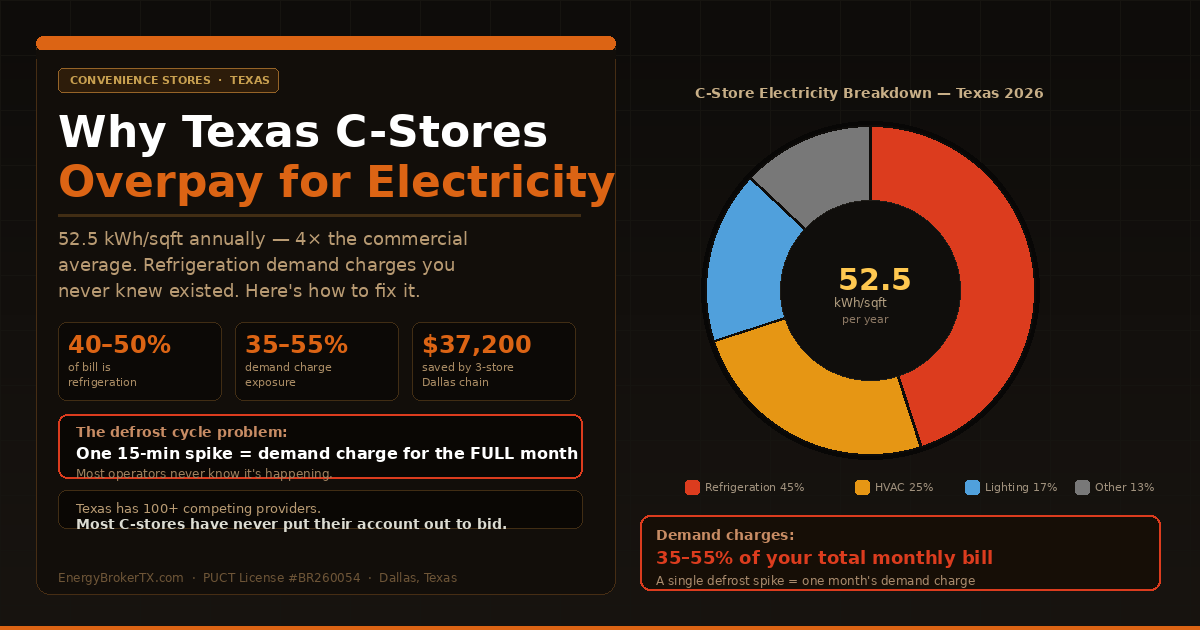
Walk-in coolers, open reach-in cases, freezer sections, and backroom refrigeration units cycle constantly to hold food-safety temperatures. That continuous load creates some of the sharpest peak demand spikes of any commercial account type, and demand charges can represent 35–55% of a grocery store's total monthly bill.
Even stores that close overnight can't shut down refrigeration, freezer cases, or security and life-safety lighting. That means a grocery account never gets a true off-peak period the way a typical retail storefront does, and pays premium rates around the clock.
A rate spike or an unexpected demand charge doesn't just raise your bill — it raises the stakes on every walk-in cooler and freezer case. Unlike dry-goods retail, a grocery store's electricity reliability is directly tied to product loss risk, making rate volatility a food-safety issue as much as a financial one.
Texas summers push refrigeration systems and store-wide HVAC to their limits at the exact moment ERCOT wholesale prices are least favorable. Grocery accounts on variable or index-priced contracts are especially exposed to bill shock during these months.
Get Better Rates in Under 24 Hours
Send us a single electric bill or just your ZIP + average kWh. Takes 60 seconds.
25+ suppliers bid live in our transparent reverse auction. You see every offer.
Pick the best rate. We handle all paperwork. Zero cost to you.
Why Texas Grocery Stores Choose Us in 2026
Texas grocery stores and supermarkets running a competitive reverse auction typically lock in rates 15–30% below their prior contract, freeing up real budget for equipment, staffing, and store upgrades.
vs. national average of 14.1¢/kWh (35% lower thanks to ERCOT competition) — meaningful savings on a refrigeration-heavy load profile
Most grocery stores and supermarkets receive competing offers and switch within one business day, with no disruption to refrigeration or store operations.
How Texas Grocery Stores Can Cut Electricity Costs
What Competitive Procurement Could Mean For Your Grocery Store
A representative three-location Texas grocery chain spending $9,500/month on electricity, largely driven by refrigeration and freezer load, could realistically see supply costs reduced 15–25% through a competitive reverse auction and demand-charge review — potentially $1,400–$2,400/month depending on account specifics and current contract terms.
A smaller independent grocery store spending $3,200/month, with a single walk-in cooler and standard deli case load, could see a 15–20% reduction in supply costs by correctly pricing its demand profile through a competitive auction — often $480–$640/month depending on current contract terms.
Frequently Asked Questions
None whatsoever. Switching providers is completely seamless—no power interruption, no disruption to tenants or customers. The process takes 1–2 weeks from your first bill submission to a new contract. We handle all coordination with your current provider and the utility. Competing quotes arrive within 48 hours. No fees—providers pay our commission.
Yes. Several ERCOT providers offer demand response incentives for large commercial facilities—essentially paying you to temporarily reduce load during grid stress events. For large retail centers with flexible HVAC and lighting controls, this can generate additional revenue while reducing peak demand charges. We identify which programs your property qualifies for and build these opportunities into your overall energy strategy.
Retail centers typically save $15,000–$80,000 per year through our reverse auction. A 150,000 sq ft strip center paying $30,000/month in common area electricity could realistically reduce costs by $4,500–$9,000/month with competitive bidding. We provide a free savings estimate based on your actual bills before you commit to anything.
We can structure procurement separately or together depending on your lease agreements and metering setup. NNN tenants typically control their own accounts, but landlord-controlled common area electricity (HVAC, lighting, parking) is where we deliver direct savings—typically 15–25%. We also advise on how to pass energy savings through to tenants in ways that improve retention and reduce vacancy.
Yes. We specialize in aggregating electricity procurement across multiple retail locations and shopping centers. By combining your total portfolio load, we negotiate volume pricing that individual stores can’t achieve alone. Whether you have 3 locations or 300, our reverse auction brings 25+ providers to compete on your full portfolio. Most multi-location retail clients save 15–30% versus negotiating each site individually.
Insights for Texas Grocery Stores & Supermarkets
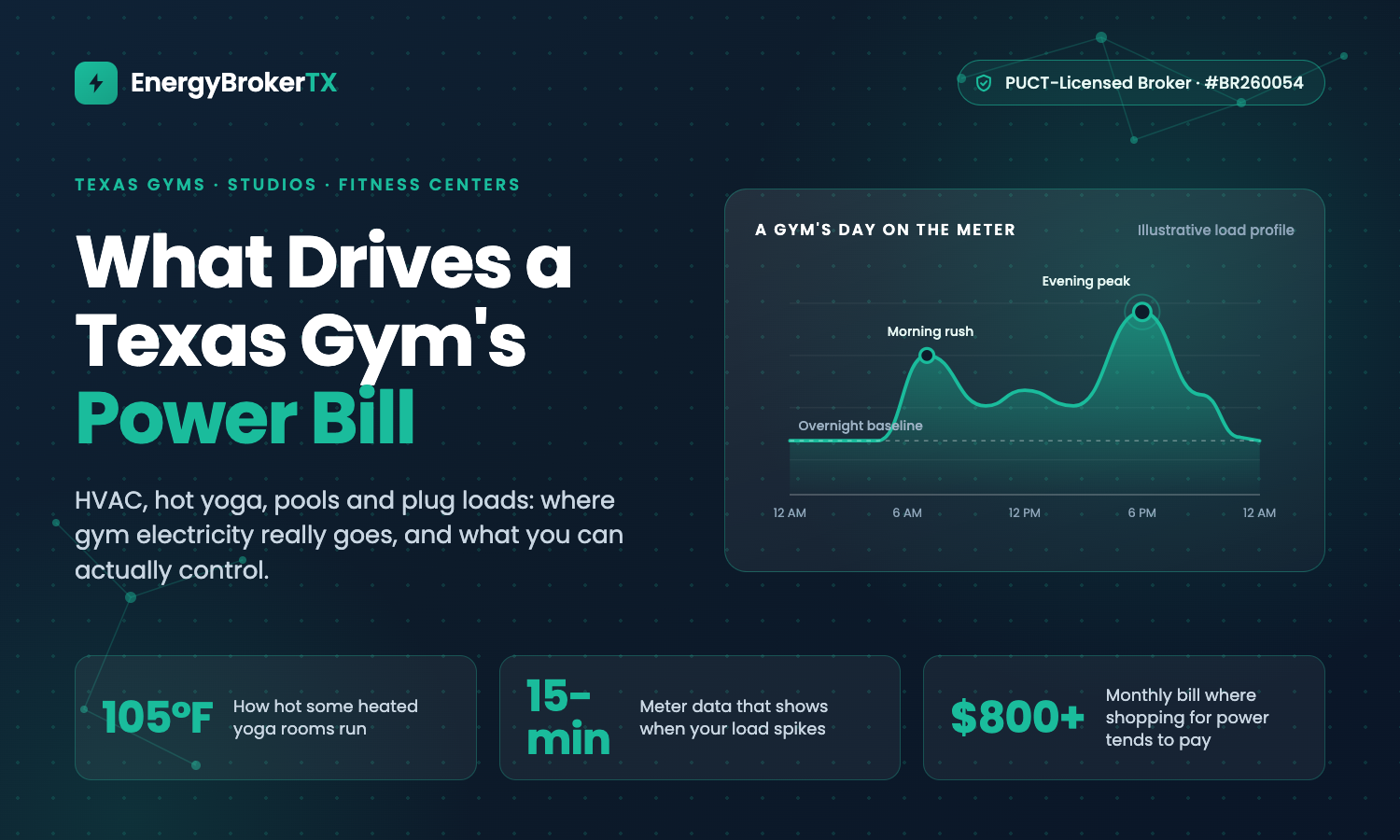 Retail & Convenience Stores
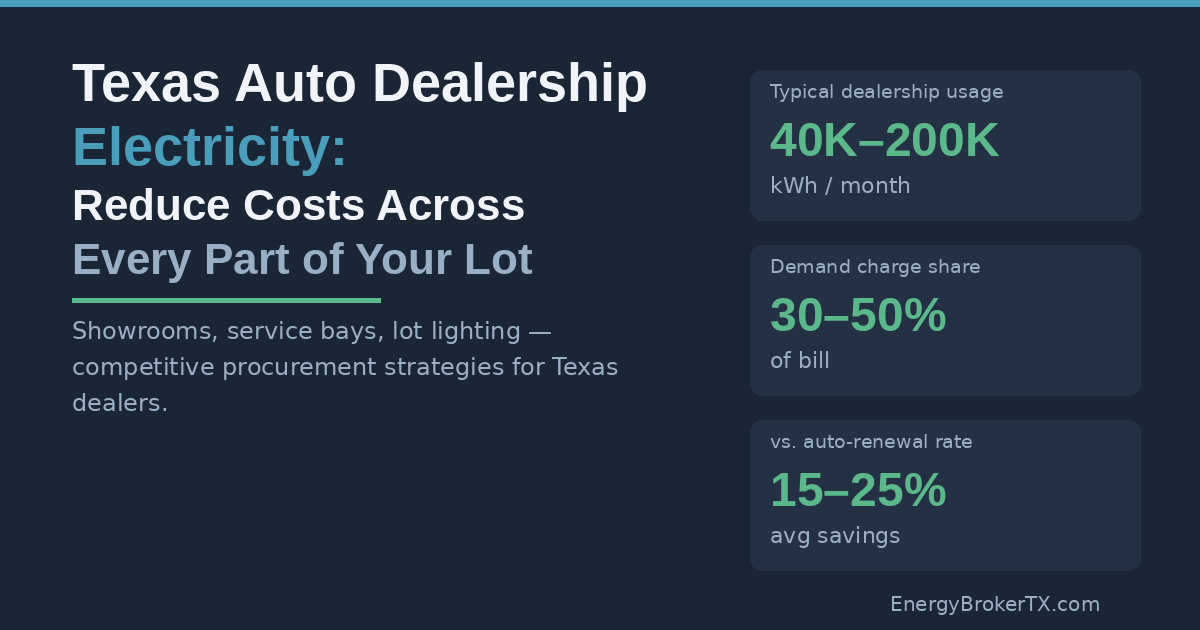 Retail & Convenience Stores
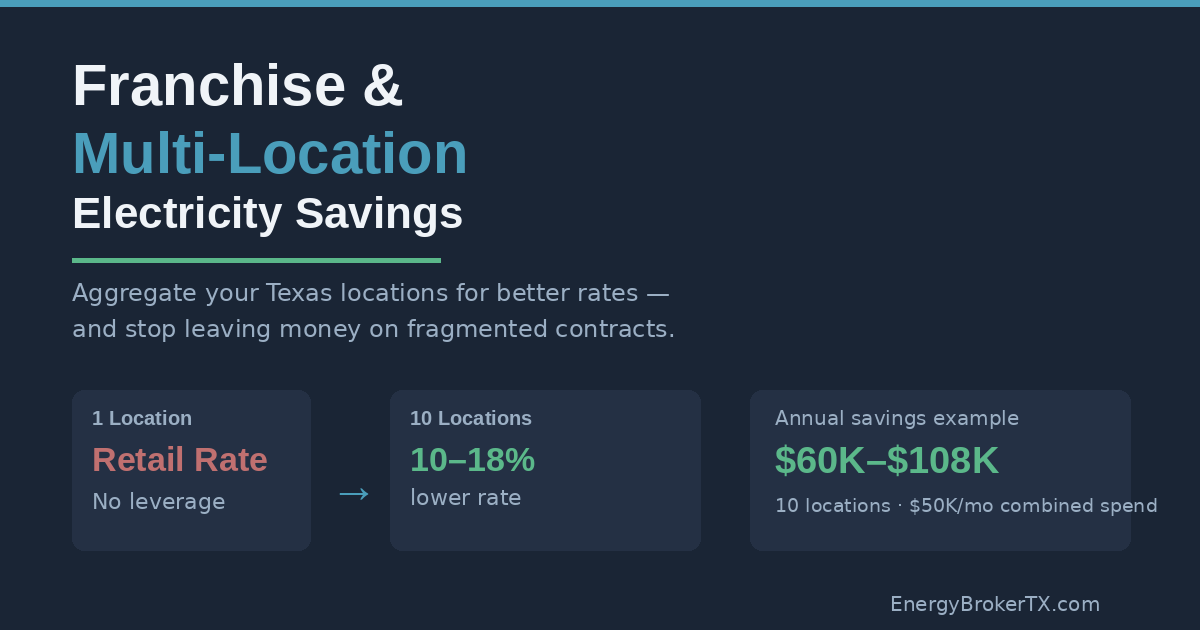 Retail & Convenience Stores
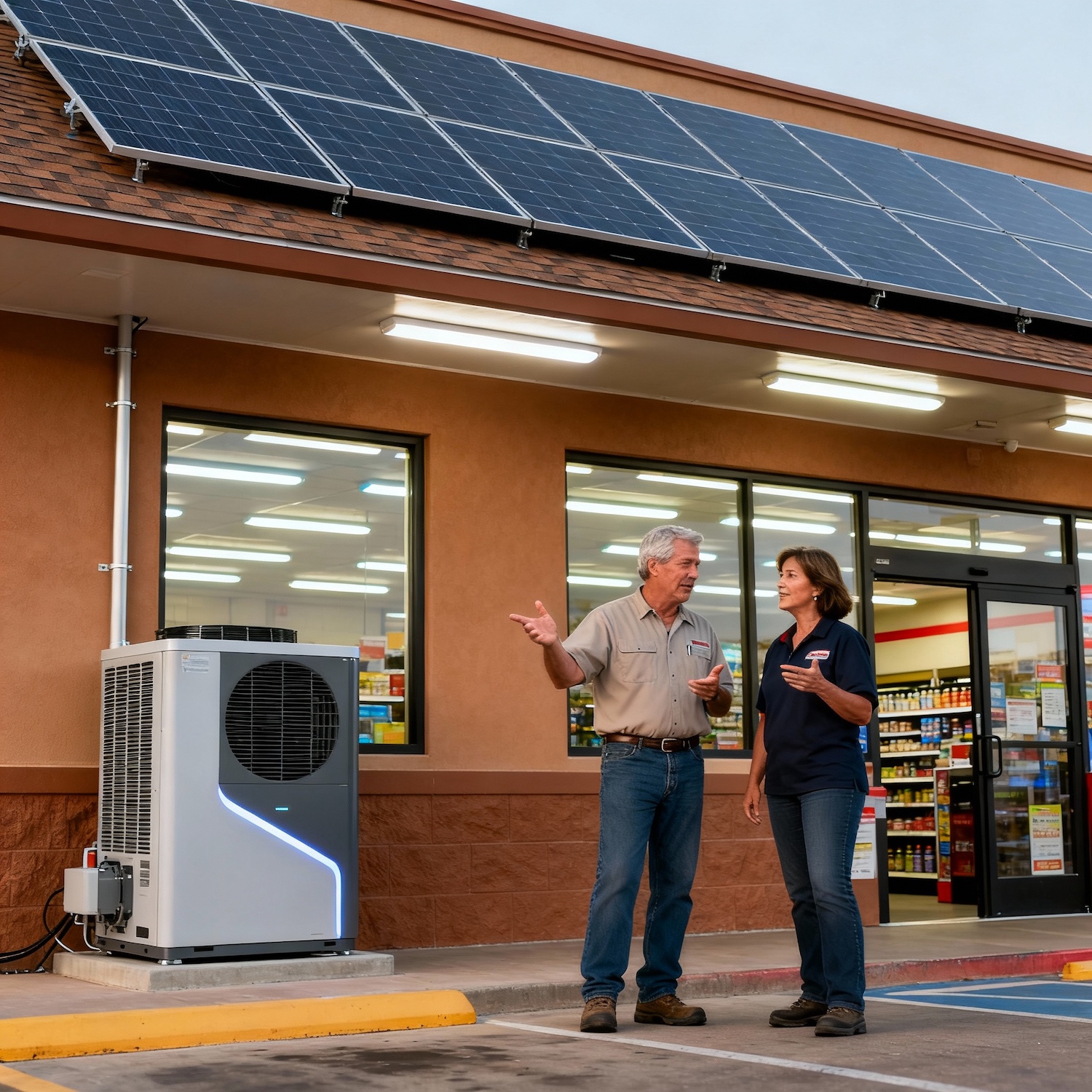 Retail & Convenience Stores
 Retail & Convenience Stores
Ready to Increase Your Operating Margin?